











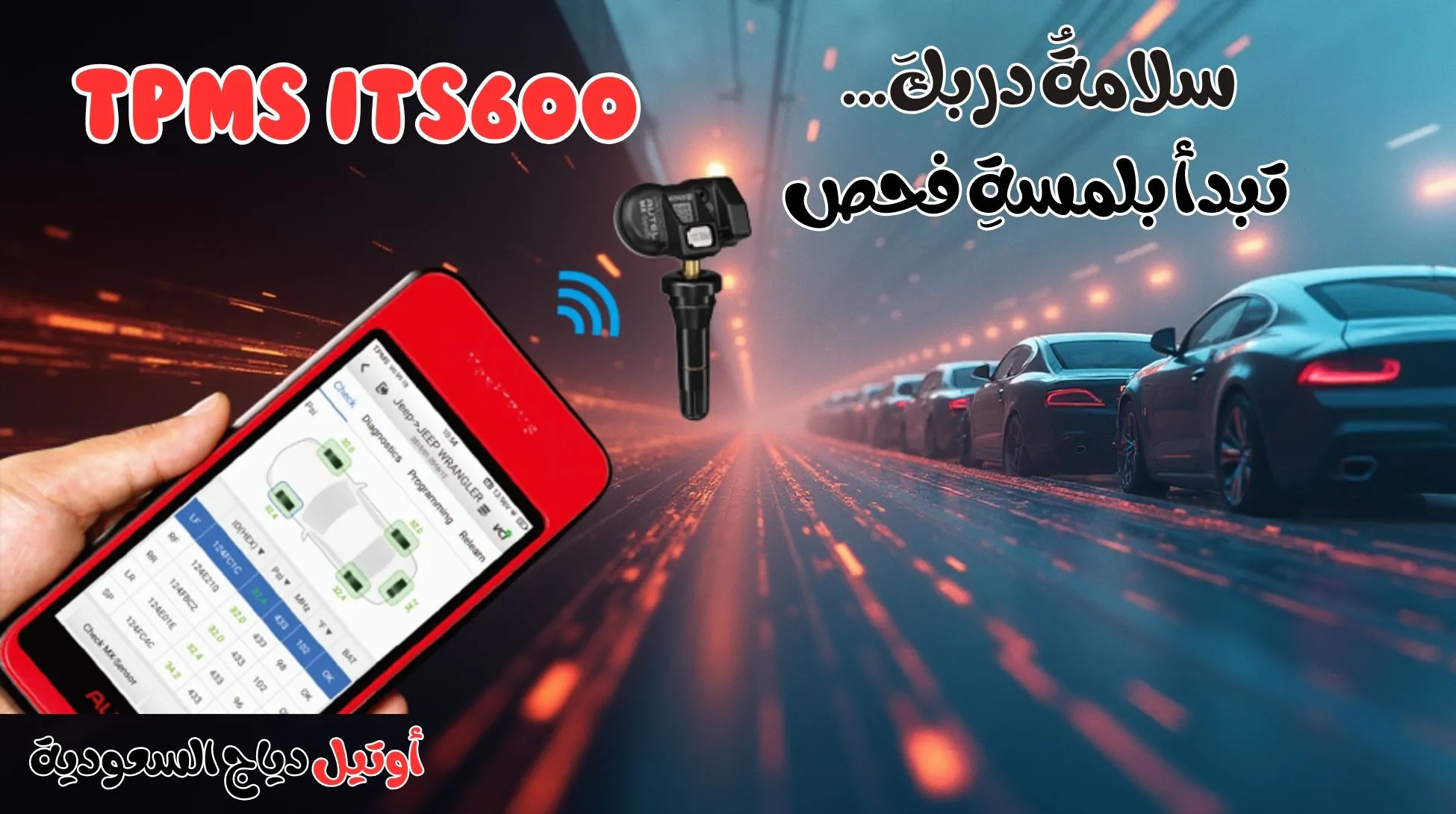






TPMS ITS600 – Vehicle Tire Pressure Diagnostic Tool
Original price was: 2.180,00 SAR.1.600,00 SARCurrent price is: 1.600,00 SAR.
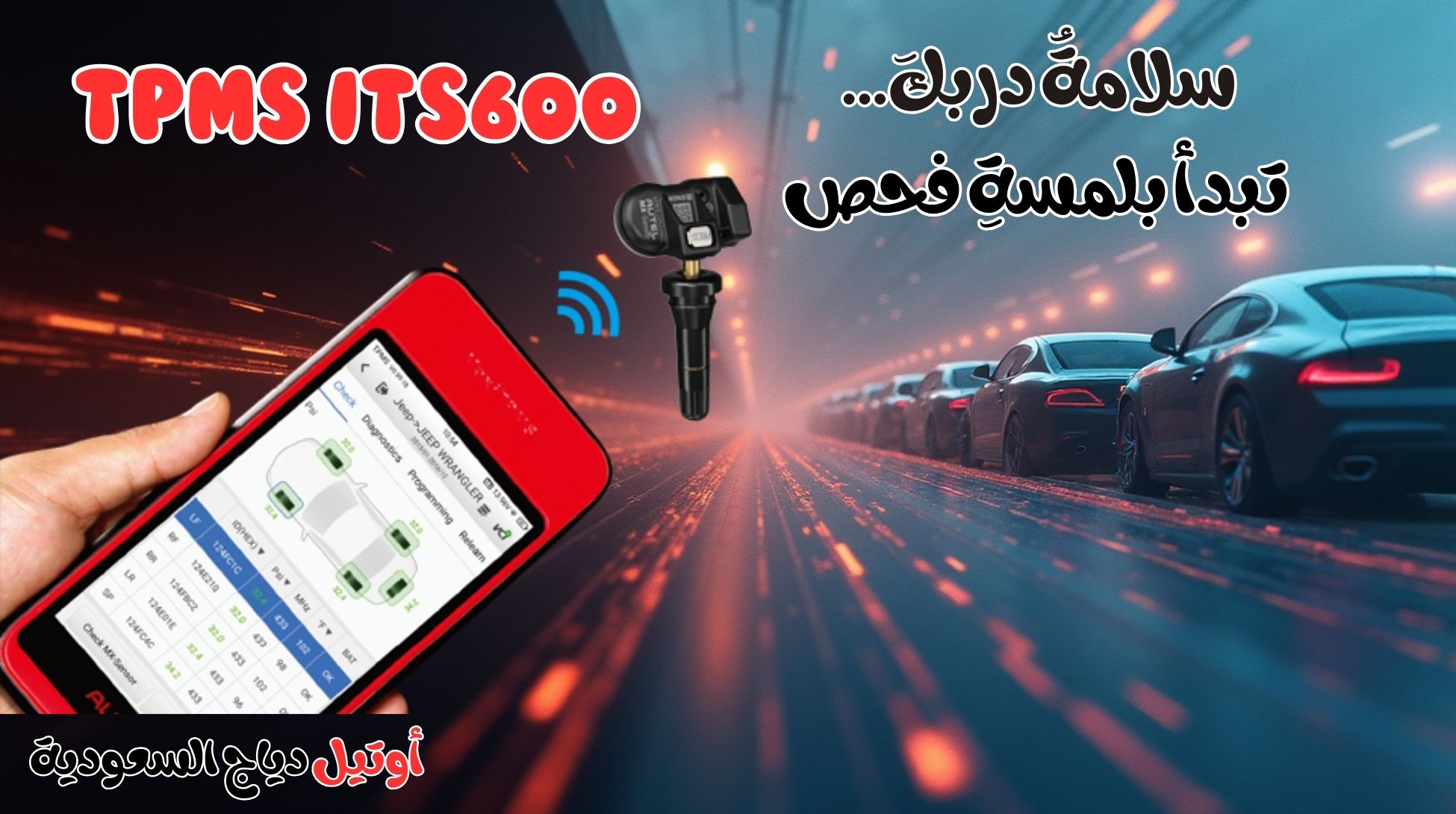
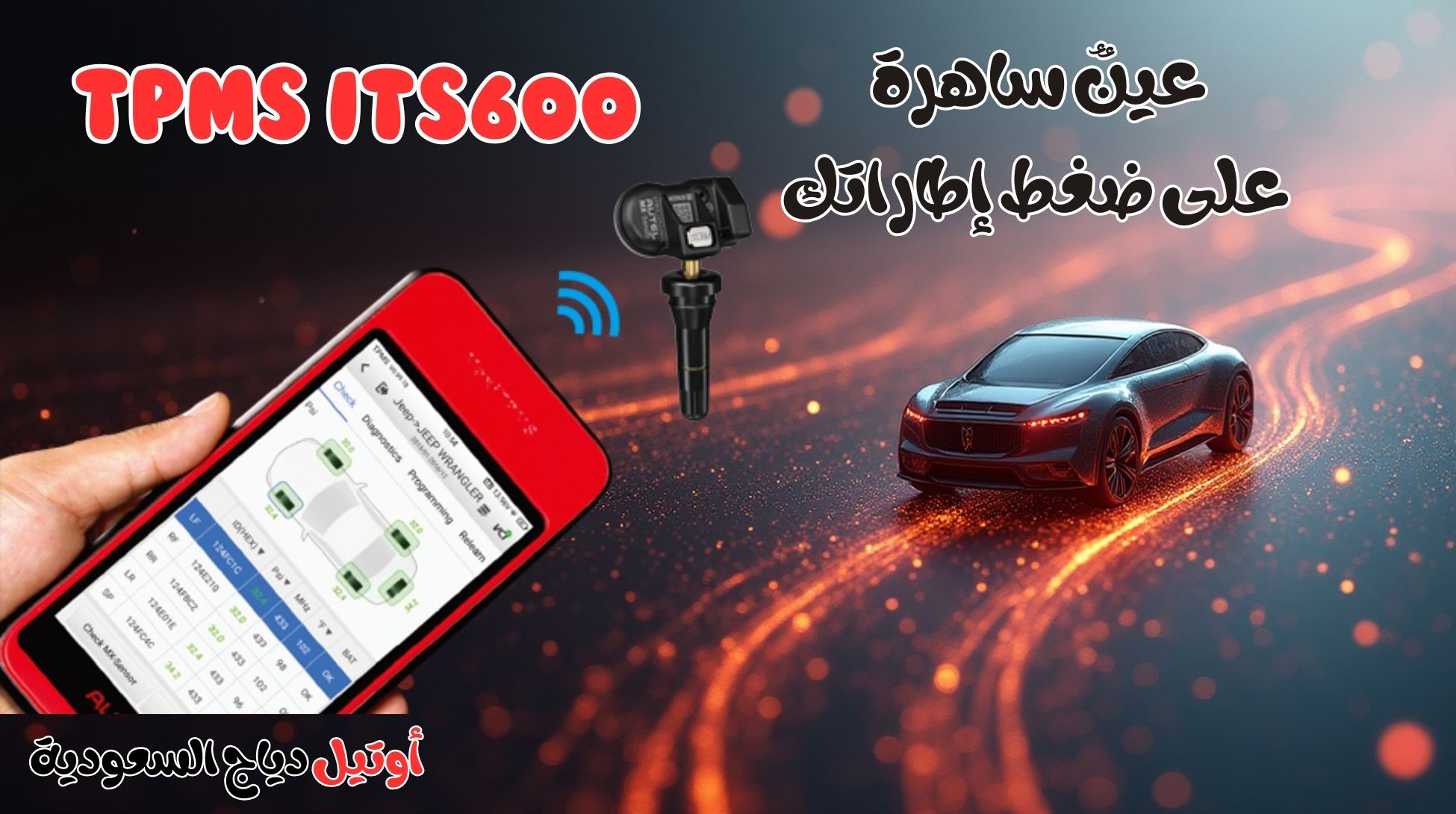
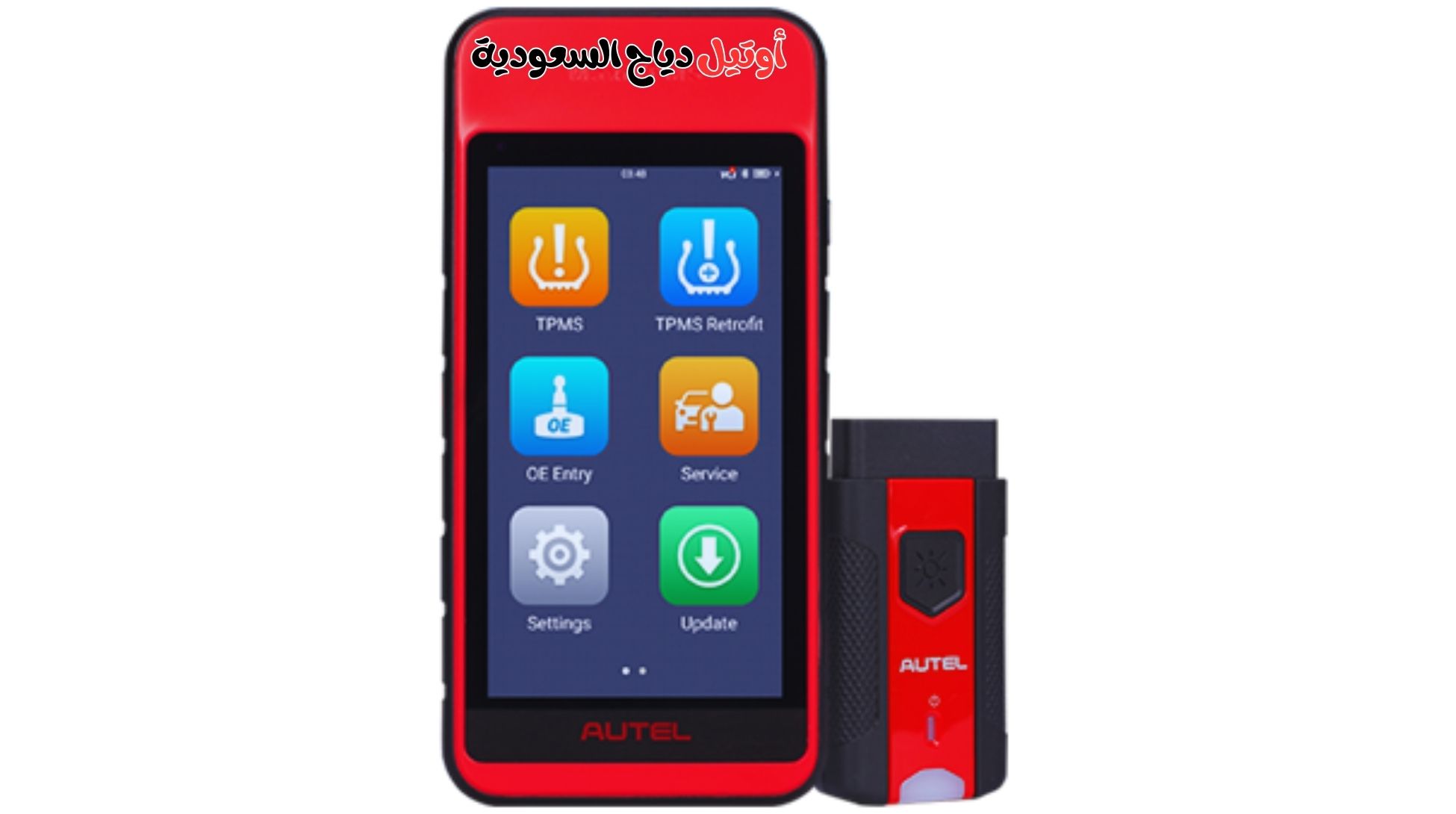
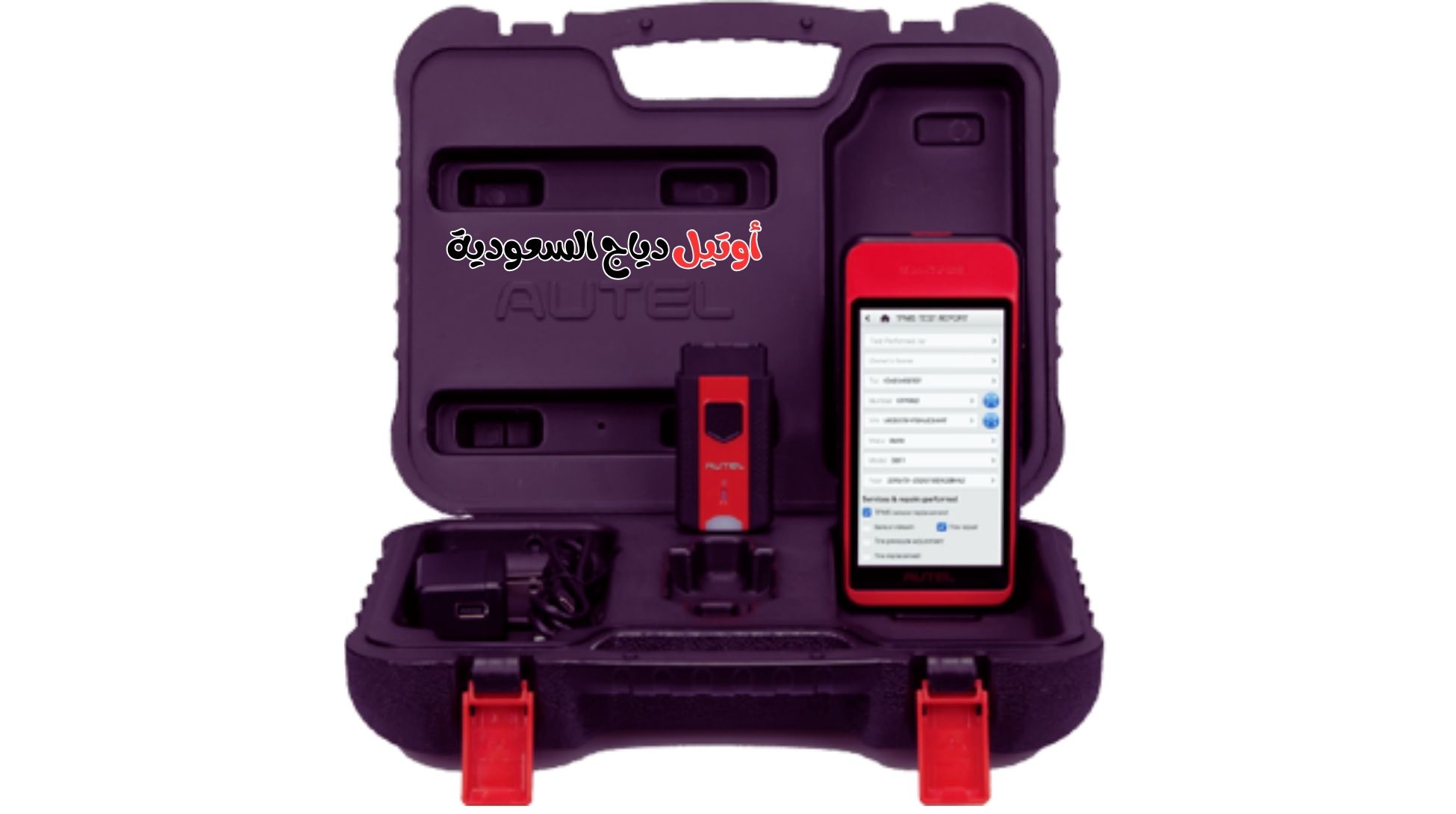
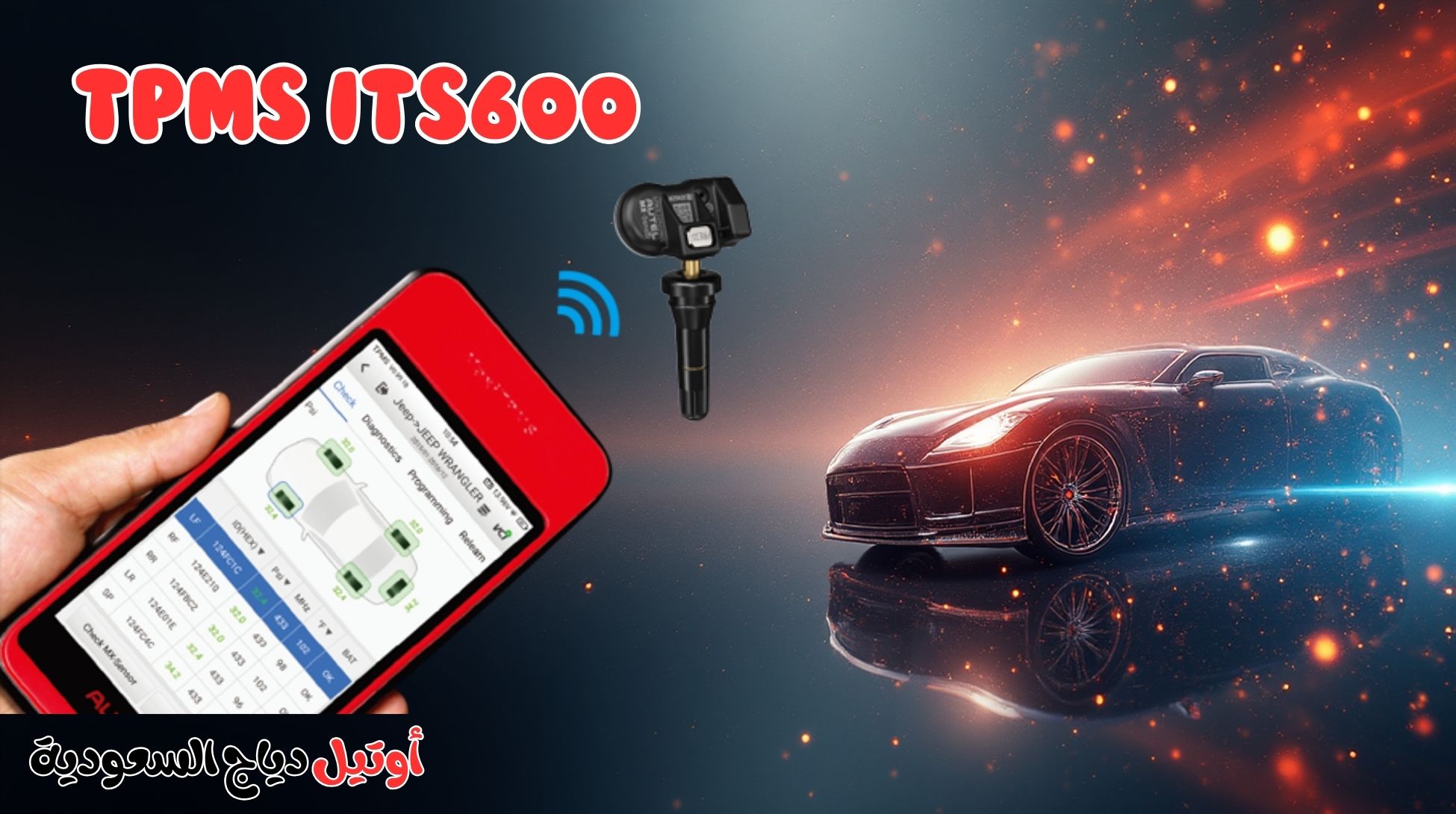
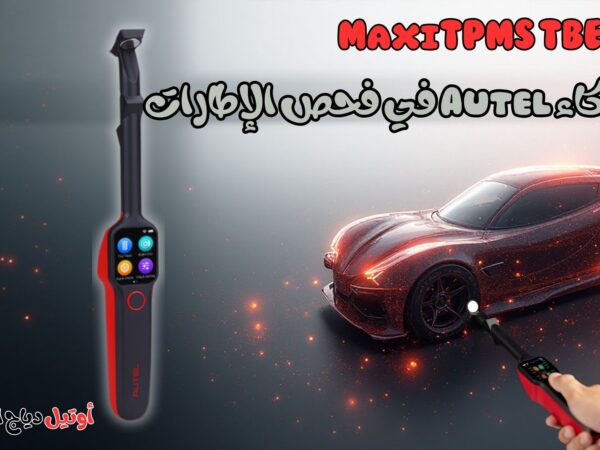
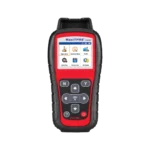
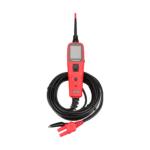
The TPMS ITS600 Car Tire Inspection Device is the ultimate solution for inspecting car tire air pressure with high accuracy, which ensures the vehicle’s safety and optimal performance on the road. With this device, automotive technicians can measure tire pressure quickly and professionally, which improves car stability and extends tire lifespan. This device is the best choice for all car workshops concerned with the highest standards of quality and precision in inspecting car tires and modern vehicles.
Autel Diag Saudi Arabia Warranty – Strength and Reliability
The TPMS ITS600 device comes with an official warranty from Autel Diag Saudi Arabia, the authorized distributor in the Kingdom. This warranty grants you complete confidence that every device is original and certified, with reliable support service whenever you need it. Being an authorized distributor makes the warranty stronger, ensuring you full protection for your device, whether for maintenance or replacement when needed.
Free Training Course to Learn Device Usage
Upon purchasing the TPMS ITS600 device, technicians receive a free course to learn how to operate and use the device professionally, either at the company’s headquarters in Saudi Arabia or online. This course grants trainees complete knowledge of how to inspect car tires accurately, read data correctly, and use the device’s advanced features to enhance service quality in car workshops.
Maintenance and After-Sales Support
Autel Diag Saudi Arabia provides comprehensive after-sales support, including periodic maintenance and immediate technical assistance. The support team is available to answer all inquiries and provide technical aid to ensure the device’s continued optimal performance. With the TPMS ITS600, you not only get a powerful device but also a complete support network that makes the car tire inspection process easy and safe always.

231 in stock
Discover the Power of the TPMS ITS600 in Inspecting Car Tires with Unmatched Accuracy (Exclusive for 2025)
The Autel MaxiTPMS ITS600 is not merely a tool for resetting tire sensors; it is an Integrated Center for TPMS and Tire Service that sets new standards for precision and speed in the modern workshop. This device is specifically designed to transform the complex task of maintaining and repairing the Tire Pressure Monitoring System into an easy, intelligent, and profitable operation.
If you are a technician seeking to eliminate phantom tire faults and ensure the integrity of the TPMS system, the ITS600 device is your optimal investment for the future.
I. Diagnostic Specifications Focused on by Technicians
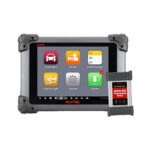
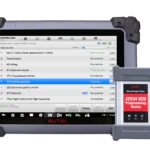
When a technician evaluates a diagnostic tool, they look beyond the screen size; they focus on the device’s true capability to solve difficult problems. These are the essential diagnostic specifications that technicians focus on in a car tire inspection device, such as the Autel MaxiDAS DS900:
1. The Depth of Diagnosis (Deep Unit Access)
The most important feature is the device’s ability to go beyond superficial reading of fault codes to achieve deep access into the Electronic Control Units (ECUs).
-
Access to OEM-Specific Codes: The technician looks for a device that reads not only general P-Codes (related to the engine) but also manufacturer-specific codes (such as B-Codes, C-Codes, U-Codes) in specialized systems like the Body Control, Supplemental Restraint System (SRS), and Anti-lock Braking System (ABS). This pinpoints the fault with extreme accuracy.
-
All-System Diagnostics: The device must be able to inspect every installed control unit in the vehicle without exception and report its status (Pass/Fail) to ensure no latent fault is missed.
2. Bi-Directional Control / Active Tests
This is considered the gold standard in professional diagnostics and is equivalent to the level of Dealer-Level Tools.
-
Instant Component Testing: This allows the technician to send direct commands from the device to the control unit to operate or stop specific components, such as:
-
Activating the fuel pump.
-
Performing an Injector Cut-Off Test.
-
Opening and closing EGR valves or ABS solenoids.
-
-
Practical Value: This feature reduces diagnostic time by 50%, as the technician can confirm whether the fault originates from the component itself (mechanical/electrical) or the control unit (programming), without the need to dismantle any part.
3. Live Data Analysis
The device’s ability to display and analyze data in real-time is the key to solving intermittent and difficult faults.
-
Comparative Graphical Display: The technician needs more than just a data table; they need synchronized graphs (displaying up to 4 readings together). This allows for comparing the relationship between two sensors (e.g., MAF sensor reading versus Oxygen sensor reading) to detect inconsistencies that indicate a performance issue.
-
Data Logging & Playback: This function allows for recording the car’s behavior during a Road Test, and then replaying and analyzing the data step-by-step in the quiet environment of the workshop. This is essential for “catching” faults that only appear under specific driving conditions (such as high speed or load).
4. Advanced Service & Coding Functions
Modern devices must be capable of executing post-repair operations.
-
Comprehensive Maintenance Function Coverage (40+ Functions): The ability to perform Oil Reset, Electronic Parking Brake (EPB) Reset, Battery Management System (BMS) Registration, and other routine procedures that now require a diagnostic computer.
-
ECU Coding & Adaptation: This is the capability to modify the default settings of the control unit (e.g., activating a hidden feature) or adapting a new unit to the system after its replacement. This feature is necessary to maintain the workshop’s competitiveness with dealership centers.
5. Future Protocol Support (DoIP & CAN FD)
The professional technician invests in a device that guarantees functionality for at least the next five years.
-
DoIP (Diagnostics over Internet Protocol): Essential for diagnosing the latest models from BMW, Audi, Land Rover, and others. It provides ultra-fast data transfer speeds.
-
CAN FD (Controller Area Network Flexible Data-rate): Essential for diagnosing modern General Motors (GM) and Ford vehicles with increased data rates.
II. Why the Autel MaxiTPMS ITS600 is Best for “Tire Inspection Accuracy”
The ITS600 car tire inspection device far surpasses merely being a warning light reset tool; it provides an in-depth diagnosis of the tire as a Full Tire System Diagnosis, granting the technician unparalleled accuracy in identifying the root causes of issues. These are the fundamental reasons that make it the leader in tire inspection accuracy:
1. Deep Sensor Component Analysis
Accuracy begins inside the sensor itself. The ITS600 car tire inspection device has the capability to read vital information that most basic tools fail to detect:
-
Precise Battery Status Reading: The device does not just say “battery weak”; it reads and clearly displays the sensor battery voltage level. This vital reading allows the technician to warn the customer about the sensor’s impending end-of-life before it actually fails, preventing the car from returning to the shop a few weeks later for the same problem, which is known as Proactive Diagnosis.
-
Tire Temperature Reading: The device reads the internal temperature of the tire. This reading is very important because abnormal temperature changes may indicate friction issues or other mechanical faults inside the tire or brakes.
2. Comprehensive Protocol & Programming Coverage
Vehicle protocol coverage is key to accuracy. The ITS600 car tire inspection device enables:
-
98% Vehicle Coverage: The device ensures the ability to activate and read any original TPMS sensor on the market (OEM Sensors), and offers comprehensive coverage for Relearn procedures for nearly all car models.
-
Flexible Three-Method Programming: The ITS600 allows technicians to use programmable Autel MX-Sensors. The device features the capability to program them accurately in three ways:
-
Copy by VIN: Ensures ideal compatibility with the control unit protocols.
-
Copy by Activation: Precisely copies the old sensor’s identity to avoid any conflict in the car’s programming.
-
Auto Create: Generates a unique identity for the sensor accurately.
-
-
OBDII Relearn Protocol: The device features the capability to perform forced Relearn via the OBDII port for vehicles that require it, ensuring the central control unit recognizes the new sensor identities correctly and in the fastest time.
3. Full Tire Management System (Documentation and Workshop Management)
Inspection accuracy extends beyond the electrical aspect of the sensor to include the mechanical condition of the tire, making it a comprehensive inspection tool:
-
Tread Depth and Brake Wear Inspection (with Optional Accessories): The device, when paired with the Tire Tread Depth Laser gauge, can record and document the state of tire tread depth and brake wear for each wheel individually. This gives the customer a 100% accurate report on the tire’s condition, and opens up opportunities for the technician to sell additional maintenance services.
-
Professional Inspection Reports: The ability to generate a professional TPMS inspection report (including sensor status, pressure, and tread depth) and print or send it to the customer. This transparency significantly raises the level of professional trust.
4. Smart System Fault Isolation
The ITS600 car tire inspection device helps the technician isolate the source of the fault accurately, rather than guessing:
-
Identifying the Fault Source: The device clearly distinguishes whether the problem is:
-
A fault in the sensor itself (battery, breakage).
-
A fault in the central TPMS control unit (ECU).
-
A fault in an electrical circuit or in the Relearn procedure.
-
-
Automatic Coverage via AutoVIN: Using the AutoVIN system ensures the device applies the correct and customized diagnostic and programming protocols for that specific model, eliminating errors resulting from incorrect manual vehicle selection.
How the TPMS System Maintains Tire Safety and Increases Their Lifespan in Modern Cars (Exclusive Explanation)
The TPMS (Tire Pressure Monitoring System) is one of the most vital safety and efficiency innovations in modern vehicles. It goes beyond being just an “annoying warning light”; it is an intelligent protection system that acts as a “permanent guardian” for four critical components: the tires.
Here is an exclusive and comprehensive explanation of how this system contributes to maintaining your car tires’ safety and increasing their lifespan:
I. The Role of TPMS in Enhancing Driving Safety and Preventing Accidents
A tire operating at incorrect pressure is the primary cause of tire failure on the road. TPMS ensures these risks are addressed immediately:
1. Preventing Sudden Heat Build-up
-
The Risk Mechanism: When tire pressure drops, the flexibility of its sidewalls increases during rotation. This increased friction inside the tire generates enormous heat. Heat build-up is the number one cause of tire blowouts, especially at high speeds or when the car is loaded.
-
The Role of TPMS: The system constantly monitors pressure. Upon detecting a drop of 25% or more from the recommended value, an immediate warning is issued, allowing the driver to stop and correct the pressure before dangerous heat accumulates.
2. Optimized Handling and Stability
-
The Risk Mechanism: Uneven pressure between tires (e.g., low pressure in one tire) affects the car’s balance. This reduces steering precision and makes the car more prone to drifting, especially during sharp turns or sudden maneuvers.
-
The Role of TPMS: The system ensures the tire’s Contact Patch with the road is always optimal. This maintains the best braking force, reduces stopping distance in emergencies, and gives the driver greater confidence in the car’s stability.
3. Increasing Driver Visibility to Risks
Many modern car tire inspection TPMS systems (especially in luxury cars) do not just rely on a warning light; they display an accurate pressure reading for each individual tire on the dashboard. This precision allows the driver to know which specific tire is losing pressure, facilitating the early detection of a nail or small leak before it becomes a catastrophic problem.
II. The Role of TPMS in Increasing Tire Lifespan and Improving Efficiency
Maintaining correct pressure consistently leads to significant long-term financial savings through:
1. Combating Premature and Uneven Wear
-
Lifespan Extension: Tires designed to last 60,000 kilometers may fail at only 30,000 kilometers due to incorrect pressure.
-
Underinflation: Leads to rapid wear on the tire shoulders (side edges).
-
Overinflation: Leads to rapid wear in the Center Tread.
-
-
The Role of TPMS: Through continuous and effective alerting, the system ensures the pressure remains within the manufacturer’s recommended range. This distributes the car’s weight evenly across the entire tread surface, ensuring the maximum possible lifespan for the tire before replacement is needed.
2. Maximizing Fuel Efficiency
-
The Risk Mechanism: Every slight drop in tire pressure leads to an increase in Rolling Resistance on the road. This requires the engine to exert more effort to propel the car, consequently increasing fuel consumption.
-
The Role of TPMS: By always ensuring correct pressure, the system maintains the lowest possible rolling resistance for the tire, guaranteeing the car achieves the best fuel economy rate according to its design. Studies indicate that maintaining correct pressure can improve fuel efficiency by up to 3%.
3. Reducing Stress on Other Vehicle Components
A correctly inflated tire acts as an effective part of the suspension system to absorb shocks. When a tire is underinflated, the shocks reaching the suspension and axle components increase, which may lead to:
-
Faster damage to shocks and valves.
-
Increased stress on the steering system.
-
Shortening the lifespan of these components, and increasing the general maintenance cost of the car.
III. Autel Diag Saudi Arabia Warranty: Original Device Reliability and Continuous Support
The TPMS ITS600 and other Autel devices come with an official warranty from Autel Diag Saudi Arabia, the authorized distributor for the devices within the Kingdom. This warranty guarantees that every device is 100% original, with the serial number registered in Autel’s global system, protecting you from counterfeit copies or unauthorized devices that may suffer faults or give incorrect readings.
Warranty Features:
-
Original Device Reliability: Every device comes with a Certificate of Authenticity and an official VAT invoice, ensuring the device complies with Autel’s global specifications.
-
Continuous Support: The technical support team is available to answer any technical or operational inquiries in Arabic, via phone or WhatsApp, which facilitates quick problem resolution.
-
Fast Maintenance and Replacement: If any fault occurs in the device or its accessories (such as adapters or sensors), it is repaired or replaced within a maximum of 48 hours inside Autel Diag Saudi Arabia centers.
-
Permanent Updates: The device receives free lifetime updates, ensuring all its features work efficiently with the latest cars and new models in the Saudi market.
-
Investment Protection: With continuous warranty and support, workshops and technicians ensure their investment in the device is safe and continues to provide car tire inspection service with high accuracy, free from risks associated with counterfeit devices or recurring faults.
Summary:
The TPMS system is an essential technology for the safety and efficiency of modern cars. The system maintains tire safety by preventing heat build-up that causes blowouts and improving braking distance. It extends tire lifespan by combating uneven wear and improving fuel efficiency, ensuring owners get the maximum benefit from their tire investments.
Mastering the TPMS ITS600 with the Free Training Course from Autel Diag
Upon purchasing the TPMS ITS600 device, technicians receive a free training course from Autel Diag Saudi Arabia, designed to teach professional use of the device. This course is specifically structured to clarify all device functions, including inspecting air pressure in car tires, reading sensor data, and accurately adjusting settings, ensuring precise results every time.
Training Course Features:
-
Flexible Learning Options: The course can be attended in person at Autel Diag centers in Riyadh or Jeddah, or online via the internet, to suit all technicians and car workshops in Saudi Arabia.
-
Practical and Direct Learning: The course provides direct experience with the device, featuring practical application on various cars such as Toyota, Camry, and Mercedes, ensuring an understanding of how to handle all real-world scenarios.
-
Enhancing Technician Skills: Participants acquire the necessary skills to inspect car tires quickly and accurately, and analyze data correctly, which increases the workshop’s efficiency and the quality of service provided to customers.
-
Certificate of Attendance: Every trainee receives a certificate proving completion of the course, which enhances the workshop’s credibility and increases customer confidence in the service provided.
In summary, this free course makes the TPMS ITS600 more than just a tool; it is a means to develop technicians’ skills and ensure car tire inspection service is delivered with the highest level of professionalism and accuracy, with continuous support from the Autel Diag team.
IV. After-Sales Maintenance and Support for the TPMS ITS600 – Full Workshop Support
When acquiring the TPMS ITS600 device from Autel Diag Saudi Arabia, the purchase includes not only a sophisticated device but also a comprehensive after-sales support network to ensure continued optimal performance in all workshops. This support guarantees that technicians can easily handle any issue or inquiry, maintaining the device’s efficiency in the long term.
After-Sales Service and Maintenance Features:
-
Fast and Effective Maintenance: In case of any malfunction in the device or its accessories, it is repaired or replaced within 48 hours inside Autel Diag Saudi Arabia centers, ensuring continuous operation without interruption.
-
Direct Technical Support: A specialized support team is available to answer all technicians’ inquiries via WhatsApp or phone in Arabic, providing quick and effective solutions for all technical problems.
-
Permanent Updates: The device receives free lifetime updates to ensure compatibility with all new cars and guarantee the highest accuracy in reading tire pressure.
-
Continuous Technical Consultation: Workshops and technicians can rely on Autel Diag experts for practical advice on car tire inspection and optimizing the device’s operational performance.
-
Protecting Workshop Investment: Continuous support and maintenance ensure that the workshop’s investment in the TPMS ITS600 device is safe and reliable, promoting the delivery of excellent customer service while minimizing sudden faults and issues.
V. Best Solutions for Inspecting Car Tire Air Pressure: Speed and Accuracy for the Professional and User
Maintaining correct tire pressure is key to safety, fuel savings, and extending tire life. For best results, speed in routine inspection must be combined with accuracy and professionalism in advanced diagnostics.
Here are the best solutions that achieve the balance between speed and professionalism:
Firstly: The Fastest and Most Accurate Solution (For Daily and Routine Inspection)
The best solution for quick and accurate inspection is to use an air pressure gauge that provides an instant and reliable reading.
1. High-Quality Digital Tire Pressure Gauge
-
Why it is the Best? It provides clear digital (LCD) screens that eliminate the need to estimate manual indicator readings, reducing the margin for human error.
-
Speed and Professionalism: You can inspect all four tires in less than a minute. The reading is instant and stable as soon as it is connected to the tire valve.
-
Professional Note: Ensure the gauge has high accuracy and is well-calibrated, and check the pressure when the tires are cold (before driving a long distance or after hours of stopping) to get the most accurate reading.
2. Portable Air Pump with a Digital Gauge
-
Added Value: This solution combines inspection and correction. It not only tells you the current pressure but also allows you to set the required pressure directly; the device will fill the tire and then automatically stop when the specified value is reached.
-
Professionalism: Ideal for maintaining optimal pressure with great speed at home or in the workshop.
Secondly: The Integrated Professional Solution (For Advanced Diagnostics and Maintenance)
In modern cars equipped with a TPMS system, merely measuring the pressure inside the tire is not enough; the health of the electronic sensors themselves must be checked. This is where the role of specialized diagnostic devices comes in.
3. Specialized TPMS Inspection and Programming Device (e.g., Autel MaxiTPMS ITS600)
-
What Does it Do? This device is the backbone of “professional tire inspection” in modern workshops because it separates mechanical faults (air leak) from electronic faults (sensor issue).
-
Unmatched Accuracy: The device does not stop at reading the actual pressure recorded in the sensor; it also performs the following:
-
Sensor Health Diagnosis: Reads the sensor battery status, tire temperature, and Identification Code (ID).
-
Identifying the Fault Source: Clearly tells you whether the warning light is caused by low pressure or a damaged sensor/dead battery.
-
Programming and Activation: Allows you to program new sensors (MX-Sensors), activate them, and then perform the Relearn procedure on the control unit via the OBDII port to ensure the light is permanently switched off.
-
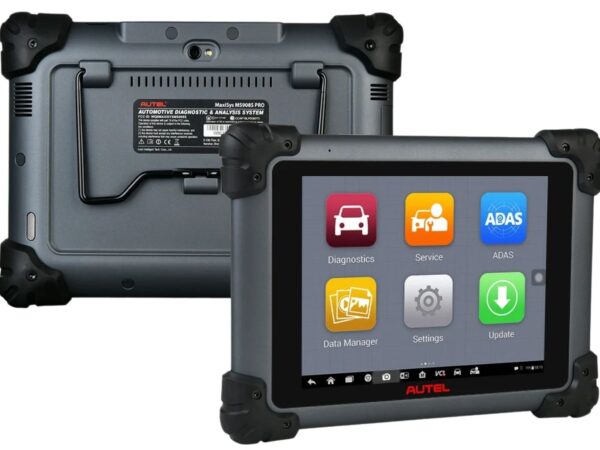
4. Multi-Function Diagnostic Scanners (e.g., Autel DS900)
-
Why is this Solution Professional? Some comprehensive diagnostic devices (such as the Autel DS900 or its equivalent) can read specific fault codes for the TPMS unit (ECU) and perform bi-directional tests.
-
Professionalism: This solution is used to handle complex problems, such as:
-
Isolating electrical faults in the TPMS control unit itself.
-
Inspecting communication issues between the sensors and the control unit.
-
Summary of the Best Inspection Method (Practical Steps)
-
Daily Goal (For the User): Use a high-quality digital pressure gauge once a month to correct and adjust the pressure to the value recommended on the driver’s door.
-
Diagnostic Goal (For the Technician): When the TPMS light appears, use the ITS600 or its equivalent to diagnose the sensor first. If the sensor is sound, perform a manual pressure check and correct it. If the fault persists after pressure correction, use the device to program a new sensor or perform a Relearn procedure.
How the Tire Inspection Device Enhances Driving Stability in All Cars (Exclusive and Comprehensive Explanation)
Driving stability is not just a luxury feature; it is the foundation of safety and performance. While modern cars rely on electronic systems like ESP and ABS, the tire remains the sole point of contact with the road. This is where the importance of a professional tire inspection device (especially an advanced TPMS inspection and programming device like the Autel ITS600) emerges as an indispensable tool for achieving maximum stability.
Here is a detailed explanation of how a tire inspection device contributes to enhancing driving stability in all vehicles:
I. Achieving Optimal Driving Stability
1. Optimizing the Contact Patch
Driving stability is entirely dependent on the shape in which the tires contact the road surface.
-
Device Mechanism: The advanced TPMS inspection device checks and compares the pressure of each individual tire with extreme accuracy (down to a fraction of a PSI).
-
Impact of Optimization on Stability: When the tire pressure is perfectly correct (according to manufacturer recommendations), the “Contact Patch” forms in its ideal shape. This ensures that traction and braking forces are evenly distributed over the tire surface. The result is:
-
Improved Steering Response: The car responds to steering wheel commands instantly and accurately without feeling sluggish.
-
Reduced Drift (Less Drift): During sudden maneuvers or lane changes, the car does not drift or excessively lean.
-
2. Maintaining Front-to-Rear Axle Balance
Front tires typically require different pressure than rear tires to support the engine weight and balance the load.
-
Device Mechanism: The tire inspection device accurately determines the optimal pressure for each tire. In case of a pressure disparity (e.g., the front right tire is much higher than the left), the device provides clear data to correct this discrepancy.
-
Impact of Balance on Stability: Unbalanced pressure causes a difference in the tires’ Rolling Circumference and power distribution. This can lead to:
-
Braking Instability: An over-pressurized tire might cause the car to “pull” to one side during hard braking.
-
Avoiding Sudden Skids (Oversteer / Understeer): Balanced pressure helps prevent loss of control in sharp turns, as the car’s expected behavior is maintained.
-
3. Boosting Electronic Stability Systems
Modern safety systems (such as ABS, ESP/ESC, and Traction Control) rely entirely on tire readings to make their decisions.
-
Device Mechanism: The tire inspection device does not just measure pressure; in the case of advanced TPMS devices, it correctly activates and programs the sensors, and performs a precise Relearn procedure for the control unit.
-
Impact of Support on Stability: If the tire pressure is incorrect, or if a faulty TPMS sensor gives an erroneous reading, the car’s electronic system will receive inaccurate data. For example, the Traction Control system might interpret low tire pressure as a slip and start unnecessary intervention. The Result: The tire inspection device ensures that electronic systems operate based on 100% correct physical facts, increasing their effectiveness in maintaining car stability under difficult conditions.
4. Early Detection of Uneven Wear Issues
Uneven tire wear causes vibrations and noise that directly affect the quality and stability of driving.
-
Device Mechanism: Some advanced devices (like the ITS600 with accessories) can measure tire tread depth and identify irregular wear.
-
Impact of Diagnosis on Stability: Excessive wear on a specific part of the tire changes the tire’s “roundness,” leading to uncomfortable vibrations at high speeds and reduced car stability. Identifying this wear early allows the technician to perform balancing, tire rotation, or even replacement before the driving experience deteriorates.
II. The Paramount Importance of Regular Car Tire Inspection Using Advanced Autel Devices
The tires are the sole point of contact between the car and the road, and their safety is directly linked to the car’s performance, efficiency, and the safety of its occupants. The use of advanced Autel devices for inspecting tires and the TPMS system elevates the maintenance level from mere pressure measurement to advanced, professional diagnosis.
Here is the importance of regular tire inspection using Autel technologies:
1. Ensuring Safety and Preventing Disasters
Regular inspection represents the first line of defense against tire-related road accidents.
-
Detecting Underinflation: This is the primary cause of tire overheating and potential blowout, especially at high speeds. Autel devices (like the ITS600) detect this drop immediately and display it accurately.
-
Improving Braking Distance: Improperly pressurized tires reduce braking efficiency and increase stopping distance. Autel inspection ensures optimal pressure, maintaining the car’s ability to stop in the shortest distance possible.
-
Accurate TPMS Fault Identification: Instead of just relying on the warning light, Autel devices allow for diagnosing the sensor itself and reading its battery status, which prevents sudden sensor failure and eliminates erroneous readings that might mislead the driver.
2. Cost Savings and Extending Tire Lifespan
Investing in regular inspection is an investment in tire life and fuel budget.
-
Preventing Uneven Wear: Incorrect pressure (whether high or low) causes rapid and uneven wear on different parts of the tire. Autel devices help correct the pressure accurately, distributing the load evenly and ensuring the maximum possible lifespan for the tire.
-
Improving Fuel Efficiency: Underinflated tires increase rolling resistance, forcing the engine to work harder and increasing fuel consumption. Accurate and continuous inspection by Autel devices ensures the maintenance of optimal fuel consumption rates designed for the car.
3. Maintaining Optimal Performance and Driving Stability
Correct pressure is the foundation of both car stability and control.
-
Improving Handling and Steering: Accurate inspection ensures that tire pressure matches manufacturer recommendations, which maintains sharp and precise steering response and prevents the feeling of sluggishness or drifting during turns.
-
Supporting Electronic Safety Systems: Systems like Electronic Stability Control (ESC/ESP) and Anti-lock Braking System (ABS) rely entirely on tire pressure data. Regular inspection ensures these systems receive correct and accurate data to operate at maximum effectiveness when needed.
4. Leveraging Advanced Autel Technology (Professionalism)
Autel devices like the ITS600 provide advanced features not available in traditional gauges:
-
Flexible Programming: The ability to program new sensors (MX-Sensors) in three different ways to ensure full compatibility with the car’s control unit.
-
Integrated Tire Diagnosis: When combined with accessories, the device can inspect tread depth and brake wear, providing a comprehensive report on the entire tire system’s condition, not just the pressure.
-
Continuous Updates: Autel devices receive regular software updates online, ensuring their compatibility with the latest car models and new TPMS systems for 2025 and beyond.
Regular inspection of car tires using advanced Autel devices is not just about driver safety; it is a professional maintenance process that ensures a longer tire life, maximum fuel efficiency, and improved driving stability. These devices transform tire maintenance into an accurate diagnosis that prevents faults before they occur.
The Integrated Command Center: How the Autel ITS600 Fully Manages the TPMS System (Comprehensive Analysis 2025)
The Autel MaxiTPMS ITS600 car tire inspection device is not merely a reader for tire pressure sensors; it is the Integrated Command Center that takes charge of managing every aspect of the TPMS system, from deep diagnostics to mechanical tire maintenance. This unique integration is what makes it the premier professional tool for ensuring the safety and efficiency of car tires.
Here is a detailed explanation of how the ITS600 fully manages the TPMS system:
1. Smart Management of Raw Sensor Data
First and foremost, the ITS600 car tire inspection device excels at extracting vital data from the sensors themselves with extreme precision:
-
3D Reading: The device instantly and accurately reads not only the current pressure value but also extracts three crucial pieces of protective data important to the technician:
-
Battery Status: Accurately determines the voltage level, allowing prediction of sensor failure before it occurs (Proactive Diagnosis).
-
Temperature: Reads the air temperature inside the tire, vital information that reveals early heat build-up resulting from friction or overloading.
-
Sensor ID: Reads the unique digital identity of the sensor, which is the foundation for programming and relearn operations.
-
-
Added Value: This detailed management of raw data enables the technician to separate electronic and mechanical faults in seconds.
2. Full Management of Sensor Programming & Activation Control
The ITS600 assumes complete control over the process of adapting new and replacement sensors, especially when using Autel MX-Sensors:
-
Activation: It can activate and read all original TPMS sensors and MX-Sensors on the market.
-
Flexible Programming: It offers three main strategies for programming MX-Sensors, ensuring compatibility with any vehicle:
-
Copy by OBD: The old sensor IDs are extracted directly from the control unit.
-
Copy by Activation (Cloning): The old damaged sensor’s identity is copied completely to the new Autel MX-Sensor with 100% accuracy.
-
Auto Create: A unique ID for the sensor is generated, which only requires a simple relearn procedure later.
-
-
Added Value: This programming flexibility eliminates compatibility issues and makes the sensor replacement process quick and reliable, reducing waiting time in the workshop.
3. Management of Complex Relearn Process
The Relearn process is the final and crucial step after sensor installation, and the ITS600 manages it intelligently:
-
Step-by-Step Guidance: The device provides detailed, guided instructions for technicians to perform the Relearn procedure correctly and as required for each car individually (whether it’s an automatic, stationary, or OBDII relearn).
-
Relearn via OBDII: For cars that require a direct connection to the control unit, the ITS600 manages the connection via the OBDII protocol to “register” the new sensor IDs directly into the Central Control Unit’s (ECU) memory.
-
Added Value: Ensures the success of the Relearn process on the first attempt, eliminating the vehicle’s return to the workshop due to the TPMS light illuminating again.
4. Comprehensive Tire System Management
The ITS600 goes beyond the TPMS system to integrate with mechanical tire maintenance, especially when linked with optional accessories (such as the laser tread depth gauge):
-
Tread Depth Documentation: The device records tire tread depth and brake wear for each wheel. This links the electronic sensor status with the mechanical condition of the tire.
-
Professional Documentation Reports: The device integrates all these readings (pressure, temperature, battery status, tread depth) into a single, professional, and documented report. This report is the optimal tool for communicating with the customer and proving the need for other maintenance services (such as tire rotation or replacement).
-
Added Value: The ITS600 transforms into a “service selling” tool based on reliable data, increasing the workshop’s revenue and making it an integrated center for tire care.
V. Three-Method Programming: The ITS600’s Superiority in Configuring Autel MX-Sensor (Flexibility for Total Compatibility)
Autel MX-Sensors are considered the Universal solution for replacing any original TPMS sensor, but what guarantees 100% success of this process is the Autel MaxiTPMS ITS600 car tire inspection device. The ITS600’s superiority lies not merely in “writing” data to the sensor, but in providing three intelligent programming paths, covering every possible scenario in the workshop and ensuring total compatibility with the vehicle’s control unit.
These are the exclusive advantages of the three programming methods in the ITS600 device:
1. Method One: Copy by Activation/Cloning
This is the fastest and most common method when replacing a single damaged sensor.
-
Mechanism: The ITS600 car tire inspection device reads the old sensor’s Identification Code (ID) directly from the damaged sensor itself via radio waves. Then, the device completely copies this identity to the new Autel MX-Sensor.
-
Core Value: When the vehicle’s computer (ECU) reads the new sensor, it sees it exactly like the old sensor (because it carries the same ID). This eliminates the need for a lengthy and tedious Relearn procedure in most cars, saving significant time for the technician and the customer.
-
Ideal Cases: When replacing only one sensor whose battery was dead or that suffered mechanical damage, without the need to intervene through the OBDII port.
2. Method Two: Copy by OBDII
This is the most accurate and reliable method to ensure total compatibility.
-
Mechanism: The ITS600 car tire inspection device connects to the vehicle’s Central Control Unit (ECU) via the OBDII port and reads a list of the four sensor IDs currently stored in the car’s memory. The technician then selects the old ID to be replaced and programs it into the new MX-Sensor.
-
Core Value: This method guarantees that the new sensor carries the exact ID expected by the control unit, even if the device could not activate the old sensor (in case it was completely missing or broken). It also ensures 100% protocol compatibility between the sensor and the car.
-
Ideal Cases: When the old sensor is completely missing, or when replacing a complete set of tires and sensors. This method ensures the car will not require any additional “Relearn” procedure.
3. Method Three: Auto Create / Manual Input
This method grants the device absolute flexibility in emergency situations.
-
Mechanism:
-
Auto Create: The device generates a random and unique ID for the new MX-Sensor based on the car model and year of manufacture.
-
Manual Input: Allows the technician to manually enter an old sensor ID that was previously recorded, or an external sensor ID.
-
-
Core Value: This feature allows the technician to prepare the new sensor even if all old information is missing (old sensors are unavailable, and the ECU cannot be connected to). In this case, a Relearn procedure is required later to introduce the new identity to the car.
-
Ideal Cases: When installing completely new sensors on new tires, or when no other data for the old sensors is available.
Conclusion: Why is this Superiority Necessary in the Workshop?
Control over programming through these three paths is what places the ITS600 in the leadership position:
-
Eliminating the “Annoying Return”: This flexibility significantly reduces the probability of the customer returning to the workshop with the TPMS light illuminated again, as the technician always has the optimal method to ensure compatibility.
-
A Comprehensive Tool for All Cases: Whether the sensor is partially damaged (Activation) or completely missing (OBD/Auto Create), the ITS600 has the solution.
-
Saving Time and Effort: The “Copy” option allows for bypassing complex Relearn procedures, increasing service speed and workshop productivity.
The ITS600 does not just read or write sensors; it intelligently manages their identity to ensure their complete and seamless integration into the vehicle’s system.
Saying Goodbye to Phantom Faults: ITS600 and Accurate Sensor Battery Diagnosis (Proactive TPMS Diagnosis)
The issue of “phantom faults” or “false alarms” in the TPMS system is one of the most bothersome problems in car workshops. The reason behind the recurring warning light is often the deterioration of the pressure sensor battery, as the sensor starts sending intermittent and unstable signals before stopping completely.
This is where the Autel MaxiTPMS ITS600 car tire inspection device stands out as a revolutionary solution, giving technicians the ability to move beyond superficial diagnostics to an accurate verification of the sensor’s internal power status.
1. Accurate Voltage Measurement
Traditional devices may simply indicate that the “sensor is connected” or “disconnected,” but the ITS600 provides a precise reading of the sensor battery voltage.
-
Quantitative Detection: The device determines the actual voltage level (in Volts) of the wireless sensor. This reading allows the technician to know if the voltage has dropped below the critical threshold (usually between $2.4\text{ V}$ and $3.0\text{ V}$, depending on the manufacturer).
-
Value for the Technician: If the reading indicates low voltage (e.g., $2.6\text{ V}$), the technician knows the sensor will fail very soon, even if it is operating efficiently at that moment.
2. Eliminating Intermittent and Phantom Faults
Phantom faults usually occur when the battery is very weak:
-
Intermittent Signals: A weak sensor begins to send intermittent and unstable signals, especially when the temperature drops or when driving at high speeds. The Control Unit (ECU) interprets this behavior as a “communication fault” and illuminates the warning light.
-
Role of the ITS600: By accurately measuring the voltage, the technician can pinpoint the sensor experiencing a battery problem before its intermittent symptoms start appearing. This ensures that only the relevant sensor is replaced, instead of attempting repeated, futile “relearn” procedures.
3. Supporting Proactive Diagnosis
This is the most valuable feature for both the car owner and the workshop:
-
Avoiding the “Annoying Return”: Thanks to the voltage reading, the technician can advise the customer that the “weak” sensor needs to be replaced now, rather than waiting until it fails completely after a few weeks. This prevents the customer from returning to the workshop again for the same problem, maintaining the workshop’s reputation.
-
Reliable Service Suggestion: When the technician can show the low voltage reading to the customer on the ITS600 screen, the suggestion for sensor replacement service is supported by reliable and indisputable data.
4. Integration with Other Procedures
Diagnostic accuracy integrates with the ITS600’s programming flexibility:
-
Choosing the Best Programming Method: If the old sensor is weak but still transmitting a signal, the technician can choose the “Copy by Activation” method to successfully clone the ID before the battery dies completely.
The Fastest Way to Turn Off the TPMS Light: The OBDII Relearn Feature in the ITS600
The TPMS (Tire Pressure Monitoring System) warning light is one of the most common and annoying problems in workshops. Although many cars support Automatic Relearn, this process can take a long time and require specific driving distances.
This is where the Autel MaxiTPMS ITS600 car tire inspection device truly stands out as a professional tool, allowing technicians to use the forced Relearn feature via the OBDII port, which is the fastest and most guaranteed way to turn off the TPMS light reliably and permanently.
1. Why is “Relearn via OBDII” the Fastest and Most Reliable?
In cars that require a “Stationary Relearn” or “Drive Relearn,” the process can consume time, potentially extending over $20$ minutes of driving.
-
Direct Control: The OBDII feature in the ITS600 car tire inspection device allows technicians to bypass lengthy driving procedures and connect directly to the vehicle’s TPMS Electronic Control Unit (ECU).
-
Instant Registration: Instead of waiting for the car to “discover” the new sensors on its own, the device forces the control unit to instantly and directly register the new sensor Identification Codes (IDs) in its memory.
-
Reliability: This is the method recommended by manufacturers for many American and Asian cars (such as Ford, General Motors, and some Nissan models), and it ensures that the new sensors are fully compatible with the vehicle’s protocol.
2. How the ITS600 Performs Relearn via OBDII
The ITS600 car tire inspection device does not just connect the sensors to the OBDII; it intelligently manages the entire process:
-
Reading New IDs: The device first activates the new sensors (whether original or MX-Sensors) and reads their unique Identification Codes (IDs).
-
Connecting to the ECU: The ITS600 connects to the car’s OBDII port and communicates with the TPMS control unit.
-
Forced Data Transfer: The device transfers the IDs it read in the first step directly into the control unit’s memory, instead of leaving the matter to the car’s “self-learning.”
-
Success Confirmation: After the transfer is complete, the device receives confirmation of successful registration and immediately issues the command to turn off the TPMS light.
3. Comprehensive Coverage and Guided Directions
The speed of turning off the light depends not only on the mechanism but also on the device’s ability to cover different models and guide the technician correctly.
-
Wide Coverage: The ITS600 car tire inspection device covers the OBDII Relearn protocols for over 98% of cars that support this feature.
-
Step-by-Step Guidance: The device provides very clear graphical and text instructions within the Android interface for the “best procedure” for Relearn for each car model individually. If the best procedure is OBDII, the device directs the technician straight to this step, eliminating guesswork and saving time.
The Relearn via OBDII feature in the Autel MaxiTPMS ITS600 device is the fastest and most guaranteed way to turn off the TPMS light after replacing the sensors. The device enables the instant registration of new Identification Codes directly into the Control Unit (ECU), bypassing lengthy driving procedures, which ensures workshop efficiency and absolute reliability for the customer.
Proactive Diagnosis: The ITS600 as a Partner in Managing Tire Tread Depth (Integrated Tire Management System)
The Autel MaxiTPMS ITS600 car tire inspection device transcends its traditional role as a TPMS tool to become a full partner in proactive tire diagnostics. This transformation occurs when the device is integrated with optional accessories (such as the digital laser tread depth gauge), allowing technicians not only to check the electronic system (sensors) but also to evaluate the mechanical condition of the tire, specifically the Tread Depth.
Here is how the ITS600 operates in managing tread depth as part of proactive diagnostics:
1. Transitioning from Pressure to Precise Mechanical Measurement
While the TPMS car tire inspection device focuses on pressure, tread depth focuses on the tire’s safety and its ability to provide Traction, especially on wet roads.
-
Reliable Digital Measurement: When using the tread depth gauge integrated with the ITS600, the device records tread depth readings for each tire individually, often measured at different points to ensure accuracy.
-
Direct Link with TPMS Data: This mechanical data (tread depth) is linked to the electronic sensor data (pressure, temperature, battery status) to form a comprehensive file for each wheel.
2. Detecting Uneven Wear
Uneven wear of the tire tread is a clear indicator of underlying mechanical problems in the vehicle.
-
Proactive Detection Mechanism: The ITS600 car tire inspection device compares the tread depth readings between the inner and outer sides of the same tire, and among all four tires. If there is a significant difference (e.g., faster wear on the inner edge), the device determines that there is a need for:
-
Wheel Alignment Check: As incorrect alignment angles are the main cause of uneven wear.
-
Wheel Balancing Check: Incorrect balancing causes vibrations and irregular wear.
-
-
Added Value: This proactive diagnosis allows technicians to offer alignment correction or balancing service before the tire is completely damaged, saving the customer the cost of premature tire replacement.
3. Managing Lifespan and Alerting for Replacement (End-of-Life Management)
The ITS600 helps determine the optimal moment to replace the tire to ensure safety.
-
Determining the Legal and Safe Limit: The device clearly indicates when the tread depth reaches the minimum recommended limit (usually between $1.6\text{ mm}$ and $3\text{ mm}$, depending on international and safety standards).
-
Customer Alert: This information is included in the final diagnostic report. This documented report proves to the customer (with numbers) that their tires have reached a point where replacement is necessary, enhancing confidence in the recommendations.
-
Added Value: This proactive diagnosis not only maintains customer safety but also opens the door to selling new tires and maintenance services professionally and convincingly.
4. Integrated Report Documentation
Effective management requires comprehensive documentation, which the ITS600 car tire inspection device provides brilliantly.
-
Tire Health Report: The device compiles electronic TPMS data and mechanical tread depth data into a single report. This report becomes an accurate record of the tires’ condition at the time of inspection.
-
Professional Documentation: The report can be printed or shared with the customer, showing a high level of professionalism and transparency in the workshop.
The Autel ITS600 car tire inspection device becomes a partner in proactive diagnostics through its unique ability to manage tire tread depth (in conjunction with accessories). This feature allows technicians to identify uneven wear and provide precise recommendations for alignment correction or balancing before the tire is damaged, which extends tire life and ensures maximum safety.
6425 reviews for TPMS ITS600 – Vehicle Tire Pressure Diagnostic Tool
Clear filtersYou must be logged in to post a review.

محمد علي –
مشكورين ماقصرتوا
رجب الدمام –
اشتريت من شركات كثير بس انتوا احسن ناس في الدعم والمعاملة الحسنة شكرا مهندس احمد
محمد العتيبي – الرياض –
خدمة ممتازة، الجهاز استجاب بسرعة والتحديث تم في نفس اليوم، أنصح الجميع.
سلمى الحربي – جدة –
الفريق تعامل بلُطف وشرح كل الخطوات بوضوح. التحديث أحدث فرقاً في أداء سيارتي.
مشعل القحطاني – مكة المكرمة –
شكراً أوتيل الخليج على اهتمامكم بالعملاء. الدورة كانت ممتازة والمحتوى متقن، والتعامل راقٍ من أول اتصال حتى التسليم.